本帖最後由 peter236 於 2009-9-22 13:28 編輯
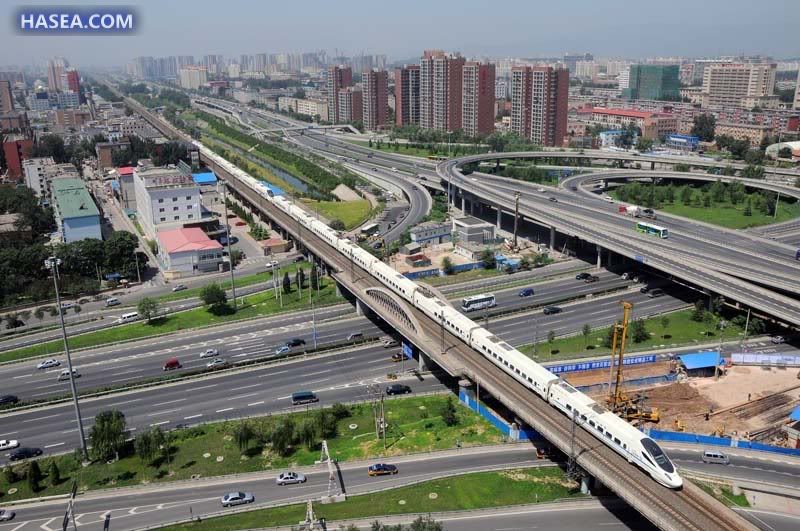
I don't think the highspeed railway system is a 面子工程, like the maglev. They studied the highspeed train systems in Japan and Europe. It is clear that highspeed trains promote economic growth and efficiency. When I took the maglev train in Shanghai, there were quite a lot of people. So the travellers were using it. The problem is the high cost of construction per km compared with conventional highspeed train which can already travel at 350km/h.
A side note is that even Japan is planning the Chuo Shinkansen (中央新幹線) maglev line which connects Tokyo, Nagoya, and Osaka. So is this Japanese maglev a 面子工程?
President Obama proposed a highpseed train linking the North Eastern corridor of the US and from Seattle to LA on the west coast. So some people actually see a need for highspeed trains in North America.
For those who have never visited China, you should go there with an open mind, rather than with a preconceived impression.
When I took the highspeed train from Shanghai south station, it was full of people. It felt like tens of thousands of people in the station around me. So the system is well-used. The government wants to solve the bottleneck problem that reduces the mobility of hundreds of millions of people.
While hundreds of millions of people will use trains, still hundreds of millions will drive their own cars as they become more prosperous. Chinese cities are crowded so that requires the construction more subways and inter-city highspeed railway. At the same time, China also has a vast landscape, unlike Japan, so some people will still drive their own cars. But it is still better to have highpseed railway to divert the people to railway rather than having a billion cars on the road.
A side note is that, while the Chinese government gives subsidy to car buyers during this economic crisis, they do have measures to encourage the production of more hybrid and electric cars. |



 發表於 2009-9-20 04:00
|
發表於 2009-9-20 04:00
|