| A Shot in the Dark 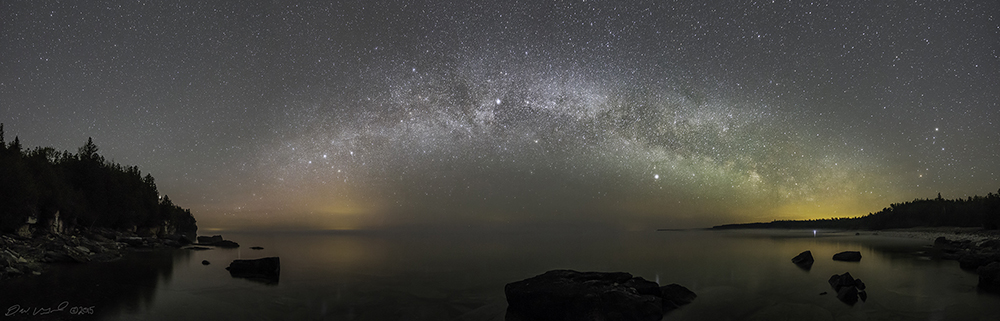
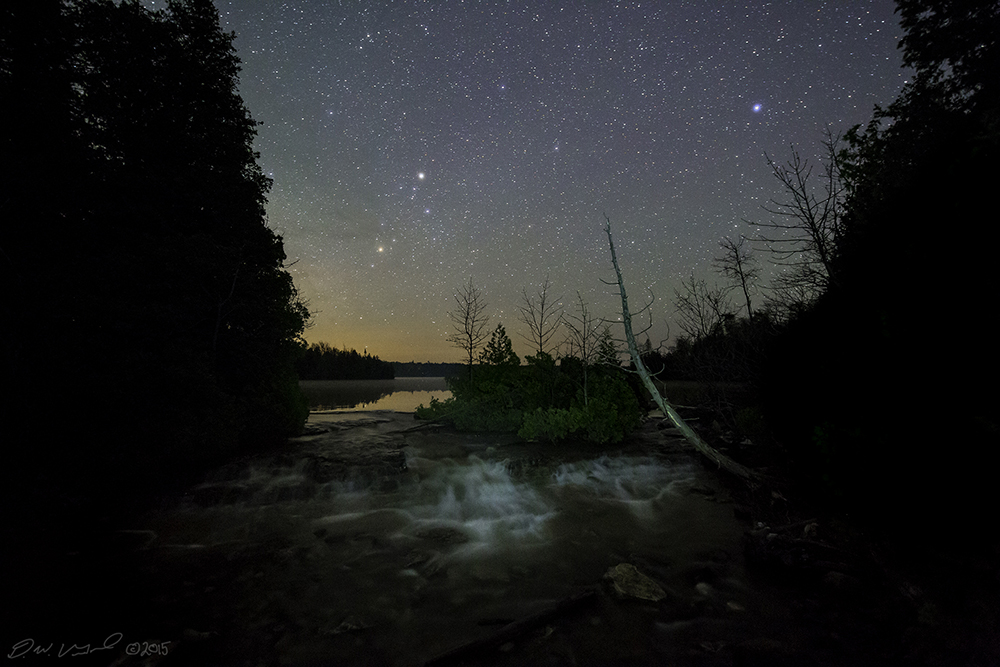
Truly dark skies are found in fewer and fewer locations on Earth. That is one of the reasons that I have become a Landscape Astrophotographer. Photographing the beauty of our night skies gives me the chance to share the beauty with people. Also, it helps to raise awareness to the light pollution that is slowly destroying our view of the heavens above. Unfortunately, this means that I have to travel away from the lights of the “Big Cities” to escape the star-killing light pollution. Lucky for me that some of the darkest skies in Canada are also some of its most iconic locations for Daytime Landscape Photography. 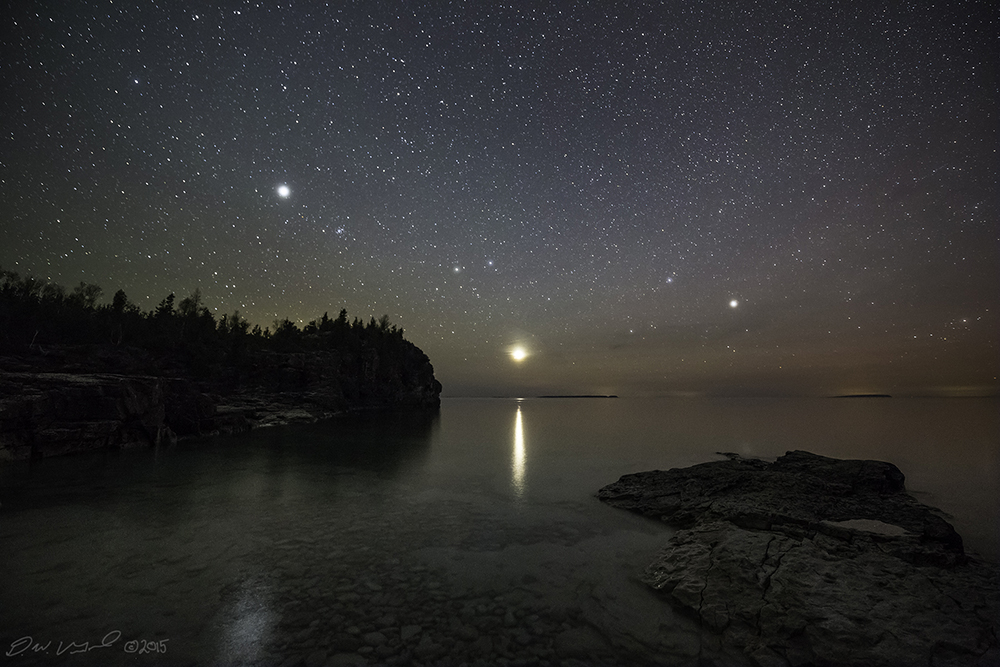
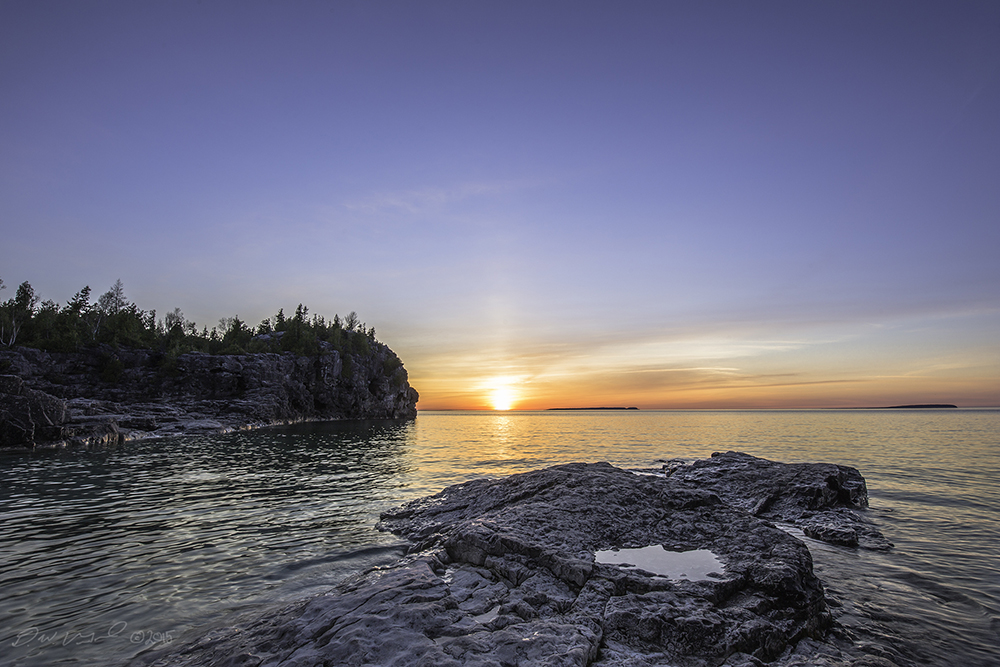
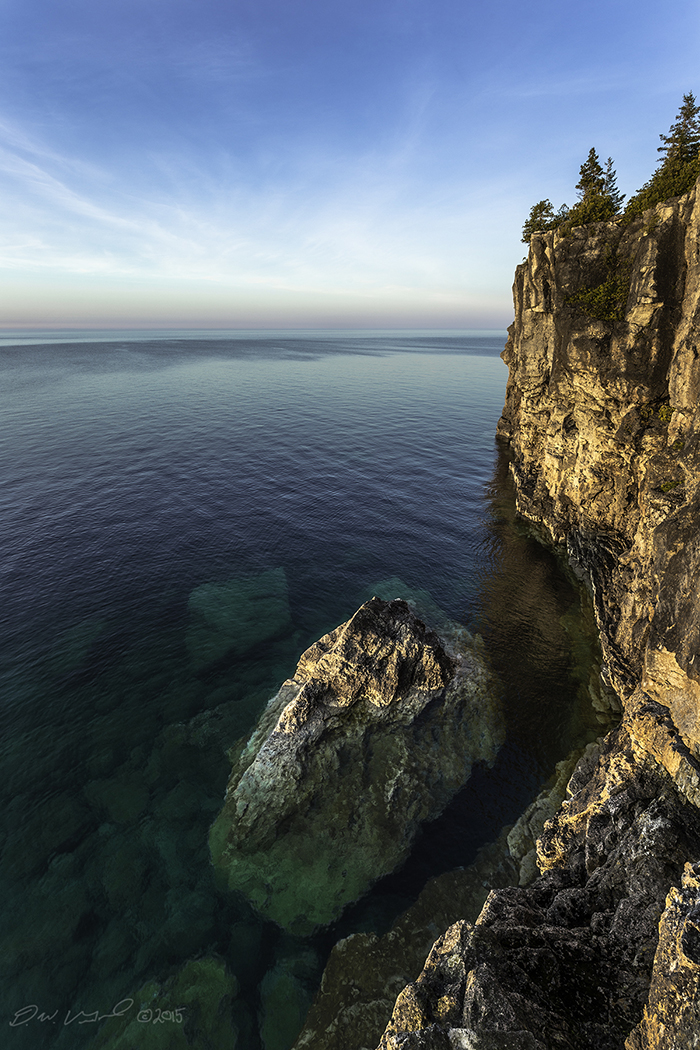
The focus of this shoot is Bruce Peninsula National Park. It is a rugged 156 square kilometers located inside the United Nations Educational, Scientific and Cultural Organization’s (UNESCO) Niagara Escarpment World Biosphere Reserve. Dispelling Misconceptions Many belief that it is extremely difficult to photograph at night. One of my goals as a “mentor photographer” is to show the ease of just how easy it can be to shoot in the dark. Your most important tool is a wide, fast lens. For this shoot, I had the pleasure of shooting with the new Tamron 15-30 mm f/2.8 Di VC USD lens. It has quickly become my favorite night photography lens due to its wide field of view, low distortion (even in the corners), and optical superiority to lenses that are significantly more expensive. 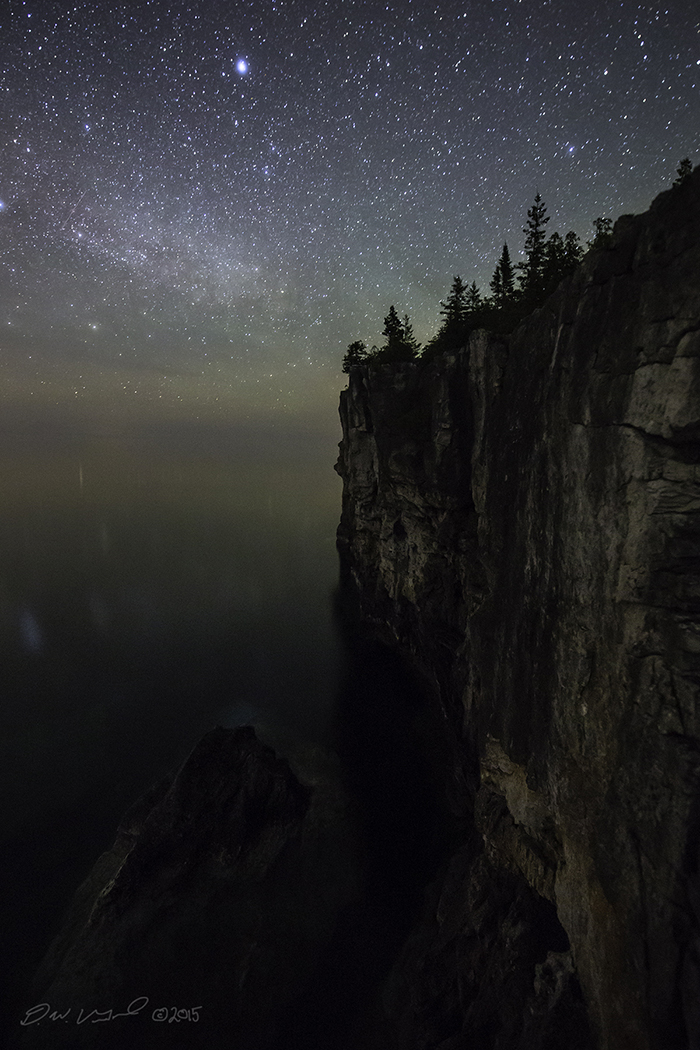
Equipment Needed This list is pretty standard when it comes to landscape astrophotography. My “goto” tools consist of: - Camera
- Wide and “Fast” Lens
- Tripod
- Headlamp or Good Flashlight
- Flashlight or Headlamp with a Red Light
- Knowledge of Area and of Your Equipment
| 


 發表於 2015-9-13 22:57
|
發表於 2015-9-13 22:57
|